

Battery telemetry
State of charge, power, energy, and device status in one predictable data model.
Connect, monitor, and control residential batteries through their manufacturers’ clouds. One consistent API. No extra hardware.
Energy products should focus on what to do with a battery, not spend months figuring out how to talk to it.
State of charge, power, energy, and device status in one predictable data model.
Set operating modes, schedules, and power targets when supported by the manufacturer.
Use official manufacturer APIs where possible and documented integrations elsewhere.
A clean REST API, consistent capabilities, useful errors, and documentation you actually want to read.
Explicit device capabilities, revocable access, command tracking, and guardrails for physical hardware.
Transparent integration logic, community contributions, and a foundation anyone can build upon.
Coverage and control depend on each manufacturer; no universal compatibility is claimed.
Connecting to battery clouds shouldn’t mean betting your product on a black box.
Every integration is open source. When your platform sends a command to a battery in someone’s home, you can read exactly how that command is translated and tracked. Nothing is hidden between your code and the hardware.
Use the hosted API or run it yourself. Your integration layer stays yours, even if your plans change, or ours do.
Each device exposes its capabilities up front: what you can read, what you can control, and what the manufacturer doesn’t allow. You know before you dispatch, not after a command silently fails.
Integrations are built and validated by the people who own the hardware and the teams who depend on it. A fix doesn’t have to wait for someone else’s roadmap.
OpenF1 made complex racing data accessible through a simple, well-documented open-source API. Kapa is a new project from the same creators, bringing that developer-first approach to residential batteries.
Different industry. Same belief: great infrastructure should be transparent, reliable, and a pleasure to build with.
Discover OpenF1One built open infrastructure that developers rely on. The other has built and sold a company in a regulated market.
Co-founder
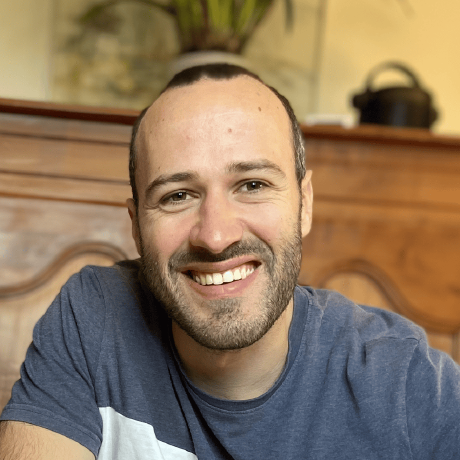
Bruno created OpenF1, the open-source API that turned live Formula 1 data into something any developer can build on. He’s also a founding engineer at Tilt Energy, a startup that connects buildings and devices, including home batteries, so they can be paid for helping the grid. Kapa brings the two together: OpenF1’s developer-first approach, applied to a problem energy companies like Tilt face every day.
LinkedIn
Co-founder
Olivier is a serial entrepreneur who makes complicated consumer services simple. He co-founded Domos Kit, which let people sort out their internet, energy and home insurance contracts in a few clicks when moving house. He then co-founded Caravel, a sustainable retirement savings platform for the self-employed, which raised €1.5M in 2022 and was acquired by Indexa Capital in 2024.
LinkedInWe’re taking 3 design partners for Q1 2027.
Building an EMS, VPP, or another energy product? Help shape the integration layer your product needs.